

Close Menu
  • Startseite
  • Ausland
  • Gesellschaft
  • Inland
  • News
  • Politik
  • Sport
  • Weltpolitik
  • Wirtschaft
  • Wissenschaft

Subscribe to Updates

Get the latest creative news from FooBar about art, design and business.

What's Hot

Firmeninsolvenzen belasten deutsche Wirtschaft

August 25, 2026

KI erhöht Risiken für Fingerabdruecke

August 25, 2026

Deutsche Staatsanleihen unter Druck

August 25, 2026
Facebook X (Twitter) Instagram
Trending
  • Firmeninsolvenzen belasten deutsche Wirtschaft
  • KI erhöht Risiken für Fingerabdruecke
  • Deutsche Staatsanleihen unter Druck
  • Volkswagen Zukunft sichert Industrie Jobs
  • Haaland neue Frisur sorgt für Aufsehen
  • Rom Berlin Streit über Bootsflüchtlinge
  • Dennis Schröder führt Deutschland zur WM Quali
  • Frankreich Großbritannien Deutschland beraten über Ukraine
Facebook X (Twitter) Instagram
Die ZeitungDie Zeitung
Subscribe
Tuesday, August 25
  • Startseite
  • Ausland
  • Gesellschaft
  • Inland
  • News
  • Politik
  • Sport
  • Weltpolitik
  • Wirtschaft
  • Wissenschaft
Die ZeitungDie Zeitung
Home»News»Senegal Toughens LGBTQ Laws: Harsher Penalties Approved
News

Senegal Toughens LGBTQ Laws: Harsher Penalties Approved

By March 12, 20263 Mins Read
Facebook Twitter Pinterest LinkedIn Tumblr Email
Share
Facebook Twitter LinkedIn Pinterest Email

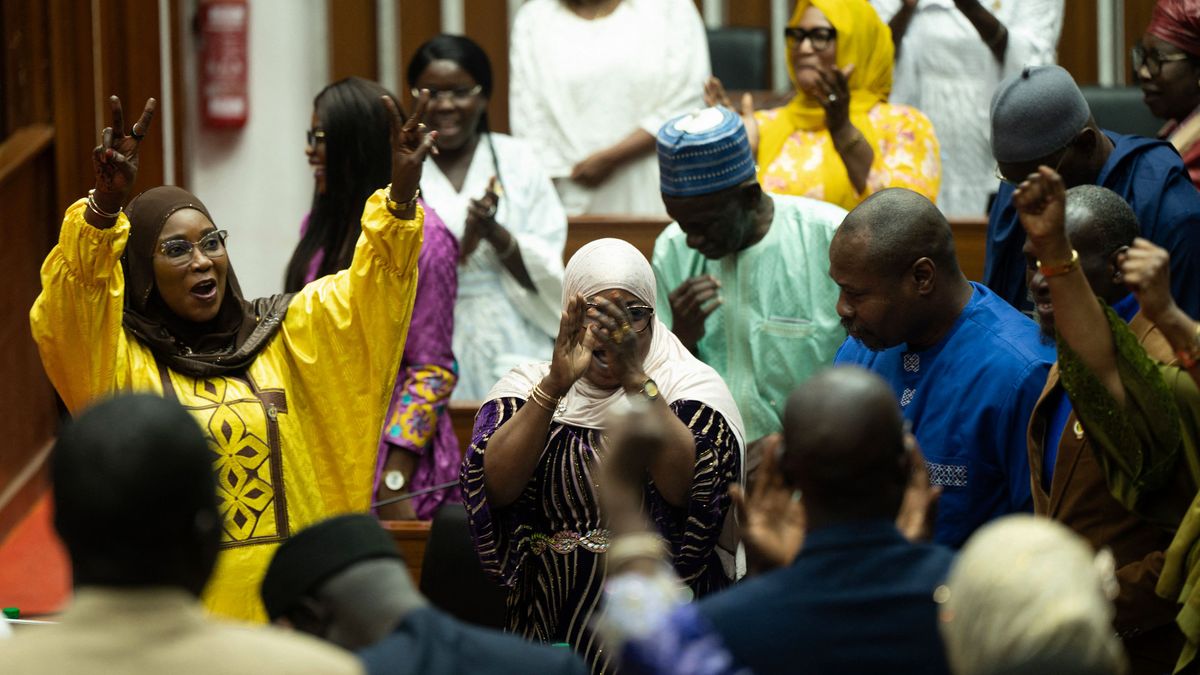
Senegal’s National Assembly has significantly stiffened penalties for homosexual relationships, marking a drastic escalation in the West African nation’s legal stance against the LGBTQ+ community. With 135 votes in favor and three abstentions, the government’s bill passed, increasing jail terms for “unnatural acts” from a previous one to five years to a more severe five to ten years. This legislative move also introduces higher fines, underscoring a deepening societal and legal intolerance in a country where same-sex relationships are already strongly tabooed and criminalized. The decision comes amidst strong public sentiment, with over 90 percent of respondents in polls consistently opposing same-sex unions.

The new legislation extends its reach beyond individuals, threatening organizations and media with punishment for “promoting” or “financing” such acts. Critics are sounding alarms, warning that this broad wording could severely impede the crucial work of civil society organizations, particularly those involved in HIV prevention programs targeting at-risk groups. Such programs are vital for public health, and their disruption could have serious consequences. The bill now awaits the signature of President Bassirou Diomaye Faye to become official law, a formality that is widely expected given the government’s backing of the initiative. This development places Senegal among a growing number of African nations tightening their laws against LGBTQ+ individuals.

The timing of this legislative push follows several high-profile investigations that recently heightened public tension surrounding the issue. Early February saw security forces arresting a dozen men, some prominent, on suspicion of homosexual relationships. Shortly thereafter, police announced the dismantling of an international child abuse network in Dakar. These two distinct cases, however, were frequently conflated in public discourse and on social media, potentially fueling the conservative legislative drive. Senegal, a coastal nation of over 18 million, has historically been considered one of the continent’s more stable democracies, despite current government pressures like high national debt and student protests.

Globally, approximately 65 countries criminalize same-sex relations, with over half of them located in Africa. In many of these nations, the recognition of LGBTQ+ rights is often portrayed as an unwelcome Western import, despite the fact that many existing penal codes trace their origins back to colonial-era laws. Senegal, a former French colony, recently saw the complete withdrawal of French military presence, marking the end of its official military engagement in West and Central Africa. This historical context of colonial influence and contemporary geopolitical shifts further complicates the narrative around human rights and national sovereignty in the region.

Share. Facebook Twitter Pinterest LinkedIn Tumblr Email

Related Posts

KI erhöht Risiken für Fingerabdruecke

August 25, 2026

Volkswagen Zukunft sichert Industrie Jobs

August 25, 2026

Haaland neue Frisur sorgt für Aufsehen

August 23, 2026
Leave A Reply Cancel Reply

Top Posts

Mega-Pleite um Essl!

April 16, 2026

Opa und Oma Nazis? NSDAP Mitgliedskarteien online durchsuchen

March 17, 2026

Fritz-Kola Werbekampagne: Scharfe Kritik in Berlin

March 21, 2026
Don't Miss
Wirtschaft

Firmeninsolvenzen belasten deutsche Wirtschaft

By OMN AIAugust 25, 20260

Deutschland erlebt weiterhin eine hohe Zahl von Unternehmensschließungen und Insolvenzen. Nach aktuellen Wirtschaftsdaten haben im…

KI erhöht Risiken für Fingerabdruecke

August 25, 2026

Deutsche Staatsanleihen unter Druck

August 25, 2026

Volkswagen Zukunft sichert Industrie Jobs

August 25, 2026
Stay In Touch
  • Facebook
  • YouTube
  • TikTok
  • WhatsApp
  • Twitter
  • Instagram
Die beliebtesten

Mega-Pleite um Essl!

April 16, 2026

Opa und Oma Nazis? NSDAP Mitgliedskarteien online durchsuchen

March 17, 2026

Fritz-Kola Werbekampagne: Scharfe Kritik in Berlin

March 21, 2026
Unsere Empfehlungen

Firmeninsolvenzen belasten deutsche Wirtschaft

August 25, 2026

KI erhöht Risiken für Fingerabdruecke

August 25, 2026

Deutsche Staatsanleihen unter Druck

August 25, 2026

Abonnieren Sie Updates

Erhalten Sie die aktuellsten kreativen Neuigkeiten von FooBar über Kunst, Design und Wirtschaft.

  • Datenschutzerklärung
  • Haftungsausschluss
  • Kontaktieren Sie uns
  • Nutzungsbedingungen
  • Unsere Autoren
  • Impressum
© 2026 Designed by Die Zeitung.com.

Type above and press Enter to search. Press Esc to cancel.