


Former US President Donald Trump has frequently articulated a desire for peace and de-escalation in the Middle East, particularly concerning Iran. His rhetoric often emphasizes diplomatic solutions and avoiding costly foreign entanglements. However, a stark contrast emerges when examining his administration’s actions. While speaking of rapprochement, Trump simultaneously authorized significant military deployments to the region, most notably the highly capable 82nd Airborne Division. This dual approach has consistently puzzled observers and raised questions about the true intentions behind his Iran strategy, creating a complex narrative of simultaneous peace overtures and military readiness. This seemingly contradictory stance leaves many to wonder whether the olive branch or the sword holds more weight in his foreign policy playbook regarding Tehran.
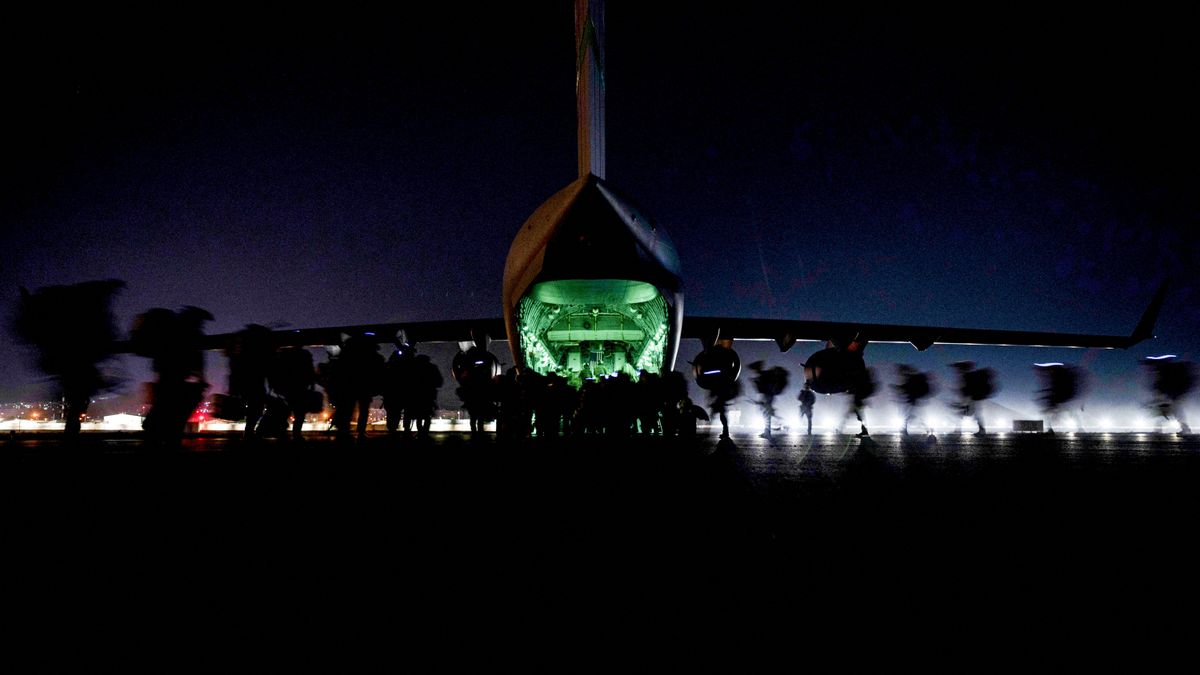
The deployment of the 82nd Airborne Division is a particularly potent signal. Known as “America’s Guard of Honor,” this elite paratrooper unit is renowned for its rapid deployment capabilities and readiness for high-intensity conflict. Its designation for “the serious case” (für den Ernstfall), as referenced in the original context, underscores a preparation for potential hostilities rather than purely defensive posturing. Such a deployment is not a routine rotation; it signifies a heightened state of alert and a clear intent to project power and deter aggression. The mobilization of these highly trained soldiers indicates a willingness to engage should diplomatic efforts fail or should US interests be directly threatened, suggesting that behind the rhetoric of peace lies a formidable military contingency plan.
This combination of peace talk and military muscle-flexing can be interpreted in several ways. From one perspective, it could be seen as a classic “speak softly and carry a big stick” approach, where the military presence serves to strengthen Trump’s negotiating position, aiming to coerce Iran into concessions without resorting to actual conflict. The deployment might function as a credible deterrent, signaling to Tehran that any aggressive moves would be met with swift and decisive retaliation. Conversely, critics argue that such deployments risk miscalculation, potentially escalating tensions rather than defusing them. The ambiguity of the message – peace on one hand, elite troops on the other – can create confusion, increasing the likelihood of unintended confrontation, especially in an already volatile region. The strategy plays a dangerous game, walking a fine line between deterrence and provocation.
The implications for regional stability are profound. Iran’s leadership could perceive the deployment not as a deterrent but as an overt preparation for attack, fueling a more hardline response. Allies in the region, such as Saudi Arabia and Israel, might view it as a welcome sign of American resolve, while others could fear being drawn into a wider conflict. The constant interplay between diplomatic overtures and military show-of-force creates an environment of intense uncertainty. As global powers continue to navigate the intricate geopolitical landscape of the Middle East, the precise balance between dialogue and defense remains critically important. The ultimate success or failure of such a strategy hinges on clear communication and a nuanced understanding of its reception by all parties involved, preventing a dangerous spiral towards conflict.
