


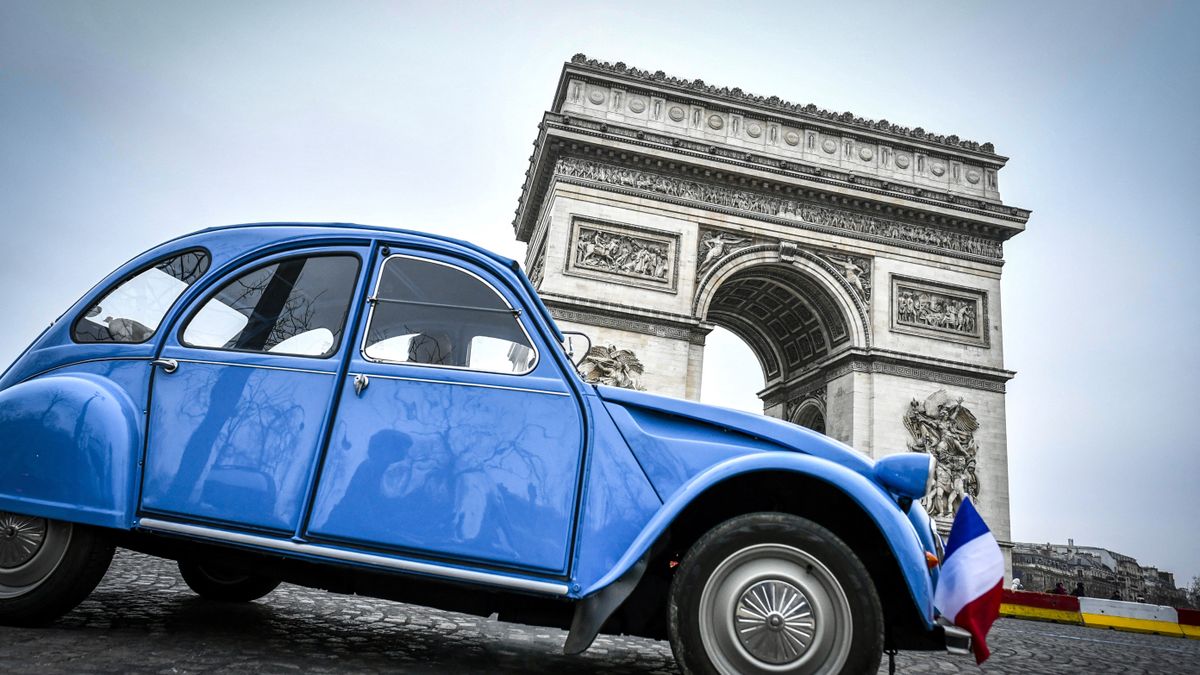
Paris is increasingly defining urban sophistication not by what you own, but by what you choose not to. With a staggering two-thirds of Parisian households now opting against car ownership, the French capital is spearheading a profound shift in urban mobility. This trend transcends mere convenience, evolving into a potent status symbol that reflects a conscious move towards sustainability, efficiency, and a refined city living experience. The image of a classic Citroën 2CV, once a symbol of accessible freedom, now stands before the Arc de Triomphe as a nostalgic nod to a different era, while contemporary Parisians champion public transport, cycling, and walking as their preferred modes of movement, signaling a new era of Parisian elegance.
This dramatic decline in private car ownership is fueled by a confluence of factors. Paris boasts one of the world’s most extensive and efficient public transportation networks, including the Métro, RER, buses, and trams, making car travel often slower and more cumbersome. Furthermore, stringent city policies, such as increasing parking fees, expanding pedestrian zones, and implementing low-emission vehicle rules, actively discourage car use. The high cost of vehicle maintenance, insurance, and parking in a dense urban environment also presents a formidable barrier, pushing residents towards more economical and environmentally friendly alternatives. This collective shift is not just practical; it aligns with a growing global awareness of climate change and the desire for a healthier, less polluted urban landscape.
The implications of this car-free revolution are far-reaching, redefining the very notion of urban status. Traditionally, car ownership has been associated with wealth, freedom, and independence. However, in modern Paris, true luxury is increasingly perceived as freedom from the hassles of traffic, parking, and pollution. It signifies access to the city’s vibrant life through sustainable means, embodying a sophisticated appreciation for urban planning and community well-being. This cultural pivot suggests that aligning with the city’s green agenda and enjoying a stress-free commute is now more desirable than the perceived prestige of a private vehicle, fostering a new form of social currency rooted in conscious urban living.
As Paris continues to champion this car-free vision, it offers a compelling blueprint for other global cities grappling with congestion and environmental concerns. The capital’s commitment to creating pedestrian-friendly areas, expanding bike lanes, and enhancing public transport infrastructure underscores a progressive urban strategy. This evolution is transforming Paris into a quieter, cleaner, and more livable city, where the absence of a car is not a limitation but an emblem of an elevated lifestyle. It’s a testament to how metropolitan areas can reimagine their relationship with mobility, proving that a future where urban living thrives without heavy reliance on private vehicles is not only possible but desirable, setting a benchmark for sustainable urban development worldwide.
