


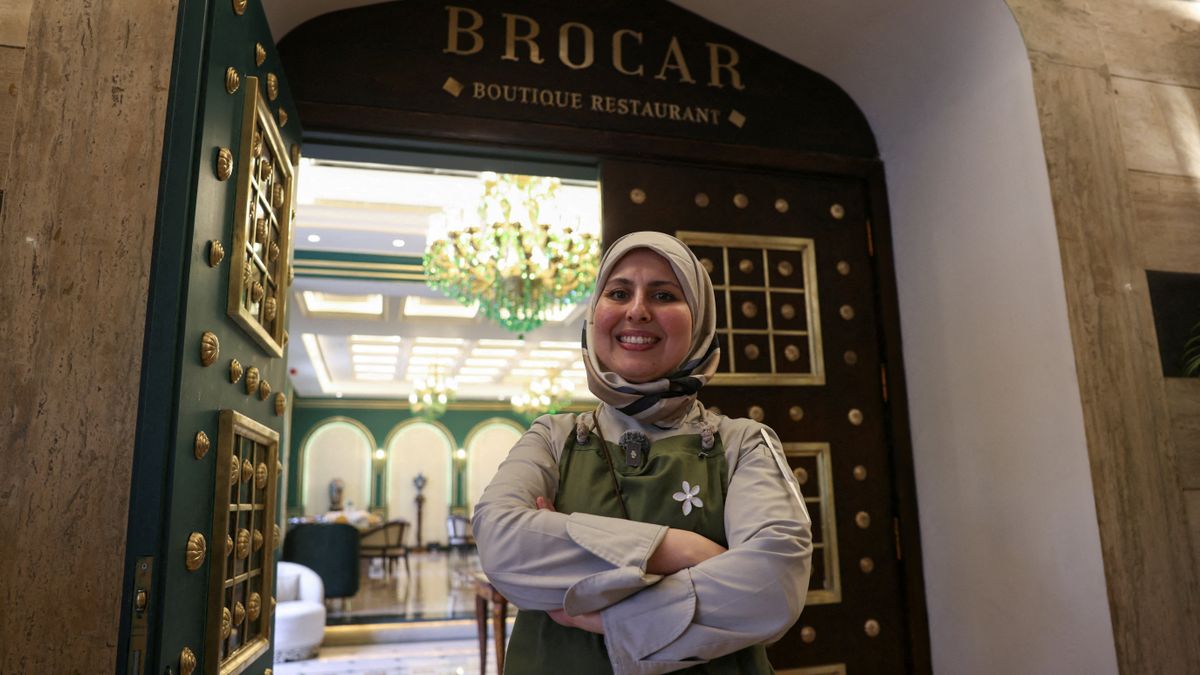
The German Chancellor’s desire for a majority of Syrian refugees to return home has sparked intense debate. Yet, some Syrians are already voluntarily making this journey, offering a different perspective to the political discussions around forced repatriation. Malakeh Jazmati, for instance, fled Syria in 2011, establishing a successful restaurant in Germany. Now, she has opened a second one in Damaskus, a city she deeply loves. She once considered returning “pure fantasy, madness, and utterly impossible,” but her decision underscores a growing trend among individuals choosing to rebuild their lives and contribute to their homeland’s recovery, defying previous expectations of permanent exile.
Despite these personal acts of courage, conditions in Syria remain extremely challenging. The security situation is unstable, and essential supplies like food are scarce. Aisha Zain Jabaly, a soap manufacturer who returned from Turkey, highlights the pervasive difficulties: constant power outages inflate production costs, vital infrastructure is damaged by bombardments affecting industries, and a severe brain drain over 14 years makes finding skilled labor problematic. These obstacles mean that returnees face immense daily struggles, striving to rebuild their lives and contribute economically amidst widespread devastation, showcasing remarkable resilience in the face of ongoing adversity.
The debate surrounding refugee returns intensified following a statement attributed to the Federal Chancellor, suggesting a target of 80% of Syrians in Germany returning within three years, supposedly at the Syrian transitional president’s request. This specific figure was later denied by al-Sharaa himself, yet it has become a polarizing point in public discourse. The concrete number starkly contrasts with official German statistics: by November 2025, only 3,707 Syrians had voluntarily returned, despite nearly a million residing in Germany. The German government is unwilling and unable to force returns, particularly given the volatile situation on the ground, leaving the pathway to large-scale repatriation highly complex and voluntary.
For those who have returned, such as Zahira Tasabehji, owner of a climbing hall, their journey embodies courage and a belief in Syria’s future. While acknowledging “worries about the future,” Tasabehji expresses optimism that increased stability from such projects will encourage further returns. This optimism is partly supported by a faster-than-predicted economic growth last year, partly due to returning citizens. However, this progress is fragile: UN organizations report over 90 percent of Syria’s nearly 25 million inhabitants still live below the poverty line. Despite individual efforts and economic glimmers, the overall future of Syria remains deeply uncertain, balancing hope with overwhelming socio-economic challenges.
