


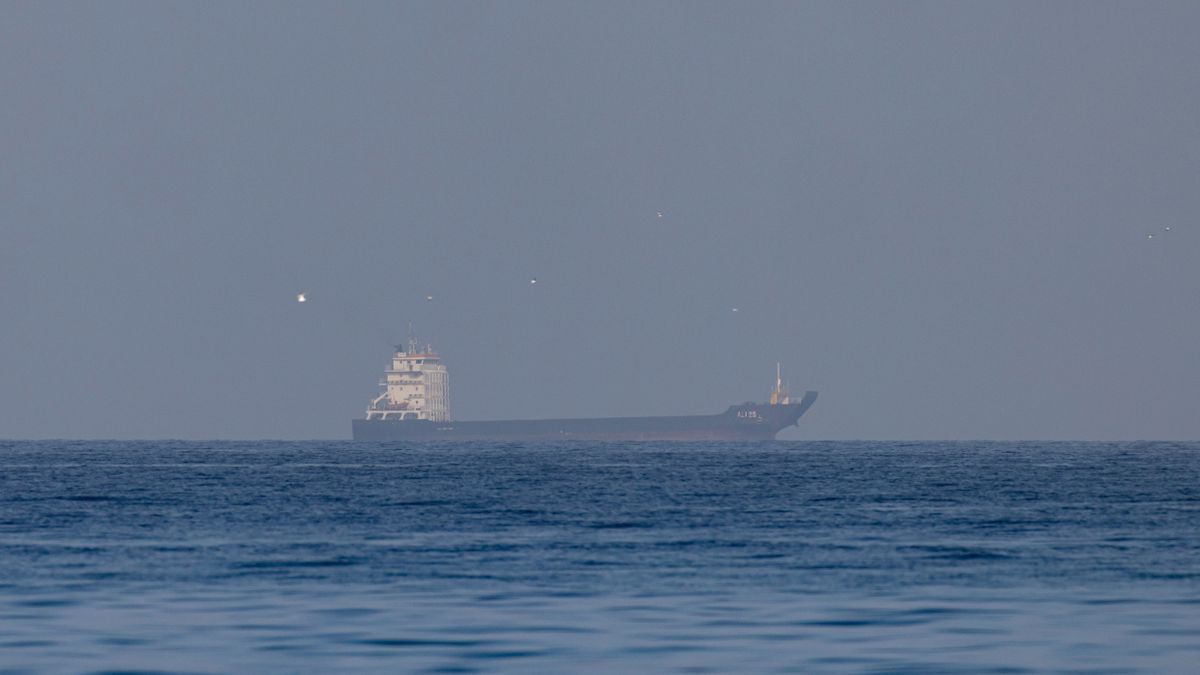
A significant development has emerged in the ongoing Iran-Krieg, as a French-owned container ship, operating under the Maltese flag, successfully navigated the Strait of Hormuz. This marks it as likely the first freighter of European ownership to pass through the critical waterway since the conflict intensified and Iran imposed its blockade. The vessel, belonging to French shipping giant CMA CGM, conspicuously broadcasted “French owner” instead of its usual destination, according to data analyzed from MarineTraffic on Friday. This passage utilized a newly approved route within Iranian territorial waters, near Larak island, which Iran has reportedly sanctioned. Experts from the shipping journal “Lloyd’s List” indicate that at least two other vessels have already paid fees to use this specific passage, suggesting a structured, albeit controlled, opening for select traffic.
The broader impact of Iran’s blockade on the Strait of Hormuz continues to be substantial, with approximately 2000 merchant vessels currently stranded in the Persian Gulf. This paralysis of maritime traffic, typically responsible for transporting a fifth of the world’s crude oil and liquefied natural gas, has triggered a dramatic surge in global oil prices. Prior to this recent development, most ships that managed to transit the strait since early March either originated from Iran or had direct ties to the United Arab Emirates, India, China, or Saudi Arabia. Beijing, for instance, publicly expressed its “gratitude” earlier this week after three Chinese freighters were permitted to pass through the critical choke point.
In response to the escalating crisis, Ukrainian President Volodymyr Zelenskyy has offered his nation’s assistance in reopening the Strait of Hormuz. During a recent visit to the Gulf states, Zelenskyy conveyed Ukraine’s readiness to “help with everything related to defense,” drawing parallels to Ukraine’s successful efforts in countering Russia’s blockade attempts in the Black Sea. However, he refrained from providing specific details regarding the proposed assistance. Meanwhile, international diplomatic efforts appear stalled; the UN Security Council postponed a crucial vote on Friday. The vote, requested by the Gulf Cooperation Council, sought approval for the use of armed force to secure the Strait, but encountered strong objections and concerns from veto-wielding members Russia, China, and France.
The prolonged closure and restricted access to the Strait of Hormuz have severe economic ramifications, primarily driving up costs for shipping insurance and fuel. As the blockade persists, these expenses continue to climb, with shipping companies directly passing on the increased financial burden to consumers and businesses worldwide. The limited, controlled passages for specific national or affiliated vessels, while offering some relief to certain economies, underscore the broader challenges and vulnerabilities in global supply chains stemming from the ongoing geopolitical tensions in the region. The situation remains highly fluid, with the world watching closely for further developments and potential resolutions.