


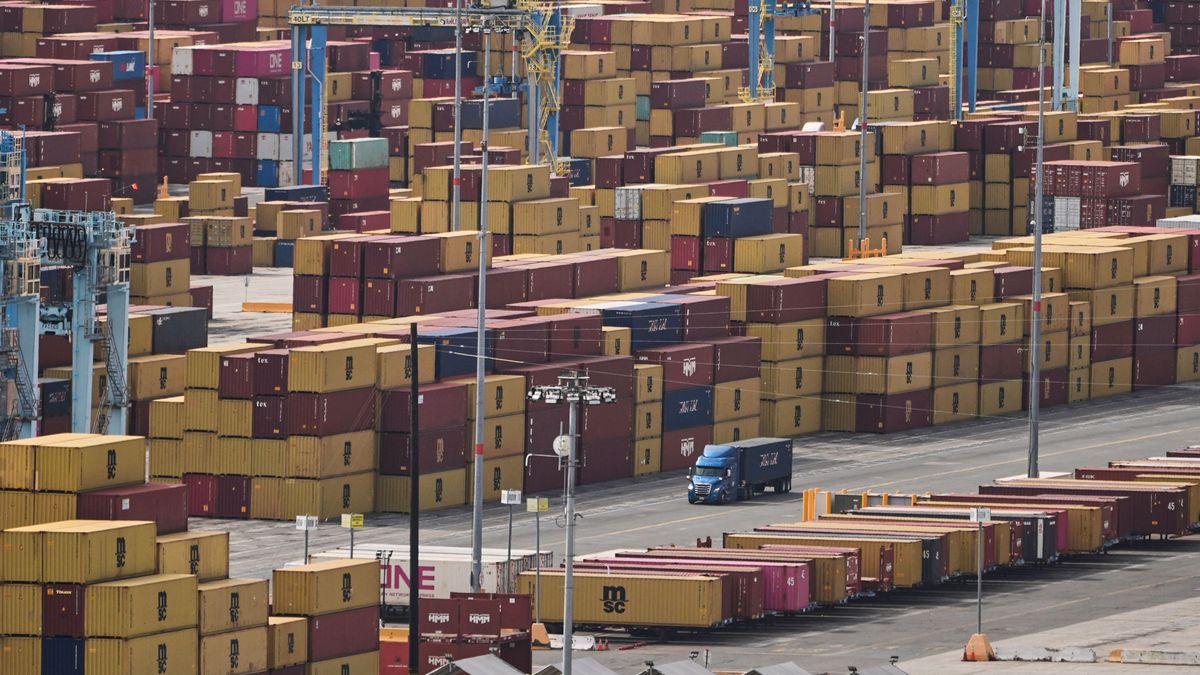
Following the contentious trade policies enacted during the Trump administration, a complex legal and financial landscape has emerged concerning the extensive tariffs imposed on various imported goods. These duties, primarily targeting imports from China, significantly impacted supply chains and increased costs for American businesses. While initially seen as a tool to rebalance trade, the legality of some tariffs has faced persistent challenges in the courts. Now, with the possibility of judicial rulings favoring importers, an unprecedented opportunity for massive refunds is coming into sharp focus. The sheer scale of potential repayments, potentially reaching into billions of dollars, has ignited intense interest across financial markets, particularly among specialized investment firms.
At the forefront of this burgeoning financial play are astute hedge funds and other private equity groups. These firms are actively positioning themselves to capitalize on intricate legal battles surrounding the tariff disputes. Their strategy involves acquiring claims from companies that paid these tariffs, often at a discount, with the expectation of a significant payout if courts rule in favor of importers. This requires extensive due diligence, understanding complex trade law, and assessing litigation success against the U.S. government. For businesses that bore the brunt of these tariffs, selling their potential refund claims offers a quicker, albeit discounted, way to recoup losses without engaging in lengthy and costly legal battles themselves. This creates a symbiotic relationship where hedge funds provide immediate liquidity for future potential windfalls.
The financial implications of these potential tariff repayments are staggering. Estimates suggest that total duties collected under specific challenged provisions could run into tens of billions of dollars. A significant portion of this could be subject to refunds if ongoing legal challenges, such as those related to Section 301 tariffs, prove successful. The U.S. Court of International Trade and other appellate bodies are currently deliberating cases that could set precedents. Should a favorable ruling be issued, the U.S. Treasury would face the monumental task of processing and disbursing these billions, leading to a substantial financial impact. This situation underscores the long-term repercussions of trade policies and the intricate mechanisms through which financial markets seek to profit from government actions, particularly concerning alleged procedural missteps.
The landscape remains dynamic, with legal experts closely monitoring court developments and financial analysts assessing the risk and reward profile of investing in tariff claims. While the potential for substantial returns is high, so too is the inherent risk associated with litigation outcomes and government responses. The ultimate resolution of these cases could take considerable time, extending over months or even years. However, for hedge funds equipped with deep legal expertise and significant capital, the prospect of securing billions in repayments from the U.S. government presents a compelling, high-stakes investment opportunity. As the legal battles continue to unfold, the global financial community watches keenly, recognizing that the outcome will highlight the enduring financial legacy of the Trump-era trade wars.
