


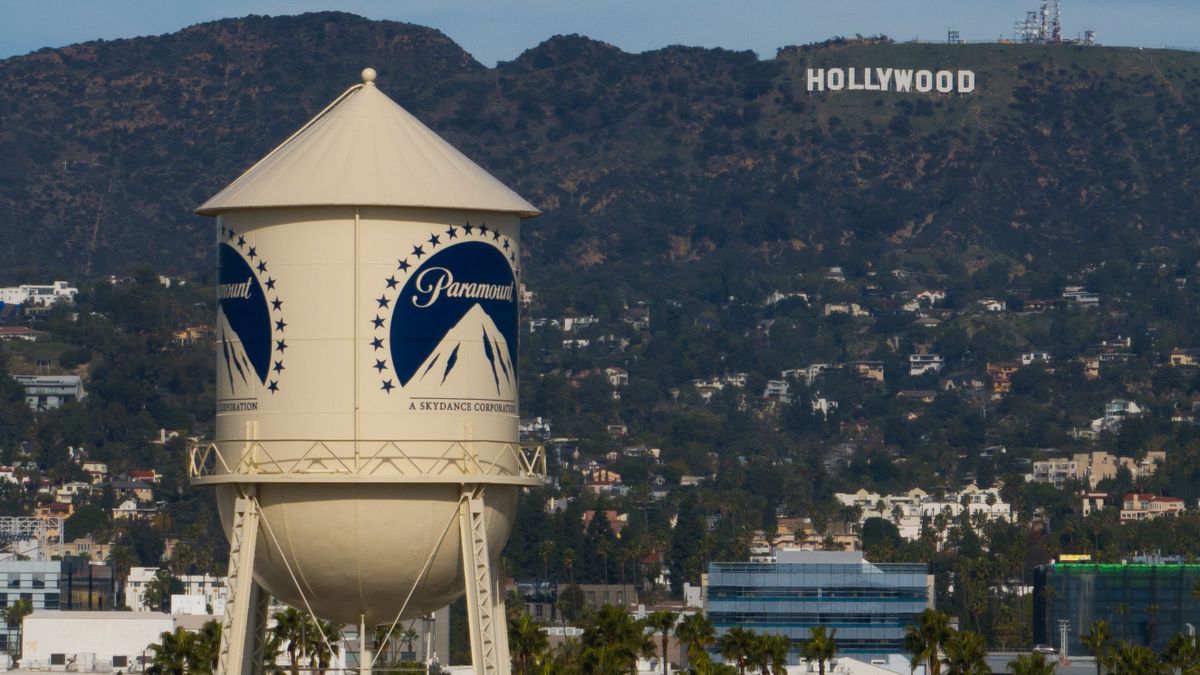
Warner Bros. Discovery has officially agreed to a multi-billion dollar takeover by Paramount Skydance, marking a seismic shift in the entertainment industry. A definitive agreement has been signed by both companies, following Paramount’s decisive move to increase its bid from $30 to $31 per share. This strategic maneuver successfully outmaneuvered streaming giant Netflix, which subsequently withdrew from the bidding war, deeming further financial commitments unattractive. Paramount CEO David Ellison, son of tech billionaire Larry Ellison, expressed his commitment to honoring “the legacy of two legendary companies,” while Warner Bros. Discovery CEO David Zaslav conveyed his satisfaction with the outcome. This pivotal deal signals a major consolidation, promising significant implications for global content creation and distribution.
The financial scale of this acquisition underscores its monumental importance. Netflix had initially offered nearly $83 billion, but this was specifically for Warner’s studio and streaming businesses, with the television channels slated for a separate spin-off. Paramount, however, presented a more comprehensive and ultimately superior proposition. With its final increased offer, Paramount is bidding approximately $111 billion for the entire Warner Bros. Discovery group, including its valuable television division. Crucially, a substantial portion of the purchase price is personally guaranteed by tech magnate Larry Ellison. The 81-year-old billionaire, whose net worth is estimated at over $200 billion, leveraged his immense financial power to secure this deal, providing unparalleled backing that made Paramount’s offer irresistible.
Despite the signed agreement, the path to finalization for the Warner Bros. Discovery and Paramount Skydance merger faces considerable regulatory scrutiny. California Attorney General Rob Bonta has already issued a warning, signaling an impending competition review. Bonta explicitly stated that the acquisition is “no sure thing,” highlighting the intense oversight expected from regulatory bodies concerning market competition. Furthermore, antitrust regulators in Washington are poised to conduct a thorough examination of the deal, given its monumental scale and potential impact on the media landscape. Such high-profile mergers invariably attract stringent regulatory review to ensure compliance with antitrust laws and to prevent the creation of an unfairly dominant market position.
Beyond financial and regulatory considerations, the acquisition has also ignited discussions surrounding the future of news channel CNN. Known for its often-critical coverage of former US President Donald Trump, CNN’s fate under new ownership is a point of contention. Trump himself previously stated his desire for CNN to change hands as part of any deal, which has fueled concerns among critics. They fear that CNN’s editorial independence could be compromised under Paramount’s ownership, potentially impacting journalistic integrity and media neutrality. The implications for CNN, a significant voice in a highly polarized media environment, will be closely watched, as this merger could redefine the landscape of independent news reporting in the United States.