


The discussion around Small Modular Reactors (SMRs) has intensified, positioning them as a promising avenue for a stable, low-carbon energy supply amidst global energy transitions. Proponents argue that these advanced nuclear technologies could offer a vital contribution to achieving climate goals and enhancing energy security, moving away from fossil fuels. However, the prospect of a widespread nuclear power comeback, even with the innovation of SMRs, is fraught with complex challenges. This renewed debate extends beyond technical feasibility to include profound political and economic considerations, casting doubt on the swift reintegration of nuclear energy into national and European strategies. The core question remains: Are SMRs truly the game-changer, or will the historical hurdles of nuclear power persist?
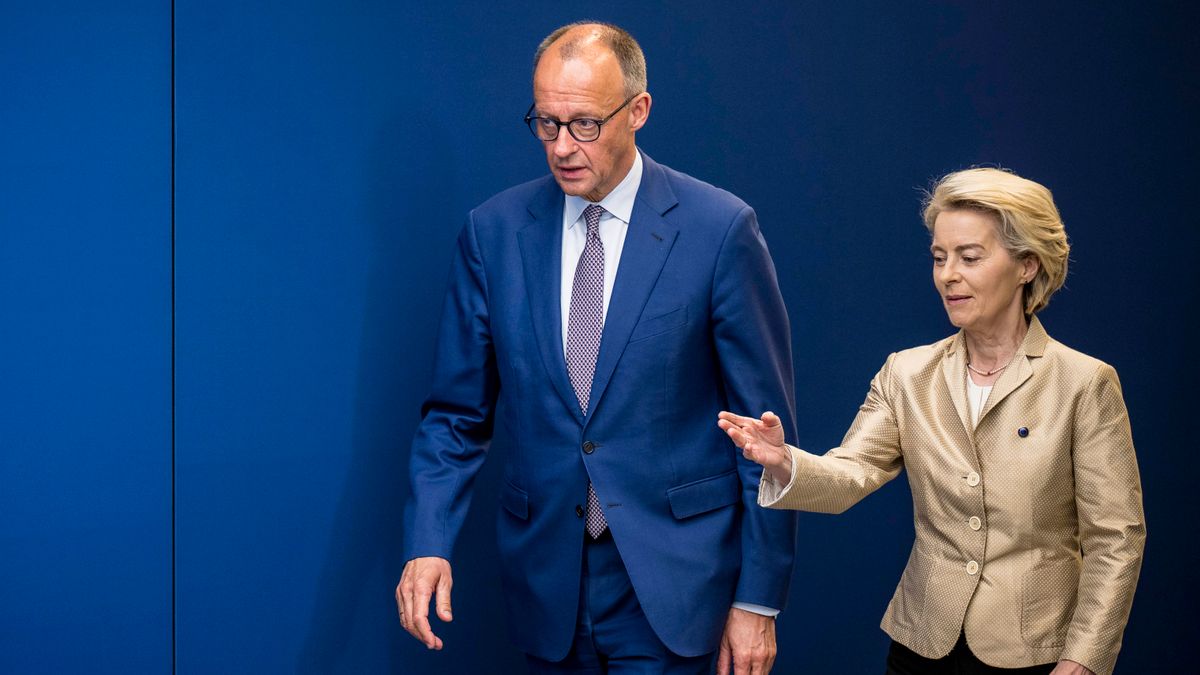
Illustrating these very complexities, a notable divergence in perspectives has emerged at the highest political echelons. Chancellor Merz and EU Commission President von der Leyen, despite belonging to the same political party, appear to hold distinct stances on the future role of nuclear energy. While one might emphasize cautious national approaches, potentially prioritizing renewable expansion and addressing domestic public concerns regarding nuclear waste and safety, the other could advocate for a broader, more strategic European embrace of nuclear power, including SMRs, as a tool for energy independence and industrial competitiveness. This internal party schism underscores the deep ideological and practical divisions that permeate the nuclear debate, highlighting how national interests and supranational ambitions can diverge significantly even among political allies.
Beyond political rhetoric, the practical obstacles to a nuclear energy resurgence are formidable. The high upfront capital costs, even for SMRs, remain a significant barrier, often requiring extensive public subsidies or guaranteed off-take prices to attract private investment. Regulatory frameworks for SMRs are still developing in many regions, adding uncertainty and potential delays to deployment schedules. Furthermore, public acceptance, a perennial challenge for nuclear power, continues to be a critical factor, with concerns over safety, waste disposal, and proliferation risks still prevalent. The competitive landscape, dominated by increasingly cost-effective and rapidly deployable renewable energy sources like solar and wind, further complicates the economic viability and strategic positioning of new nuclear builds.
In conclusion, while Small Modular Reactors present an intriguing technological advancement with the potential to overcome some of the traditional scale and cost issues of conventional nuclear plants, their path to widespread adoption is far from clear. The differing political positions between key figures like Chancellor Merz and President von der Leyen exemplify the multifaceted challenges, ranging from domestic political will and public sentiment to European energy strategy and economic realities. Ultimately, the question of a nuclear power comeback will hinge not only on technological innovation but also on successful navigation of these intricate political, financial, and societal landscapes. Without a unified vision and robust, widely accepted frameworks, the ambitious comeback of nuclear energy, even in its miniature form, is likely to remain an uphill battle.
