


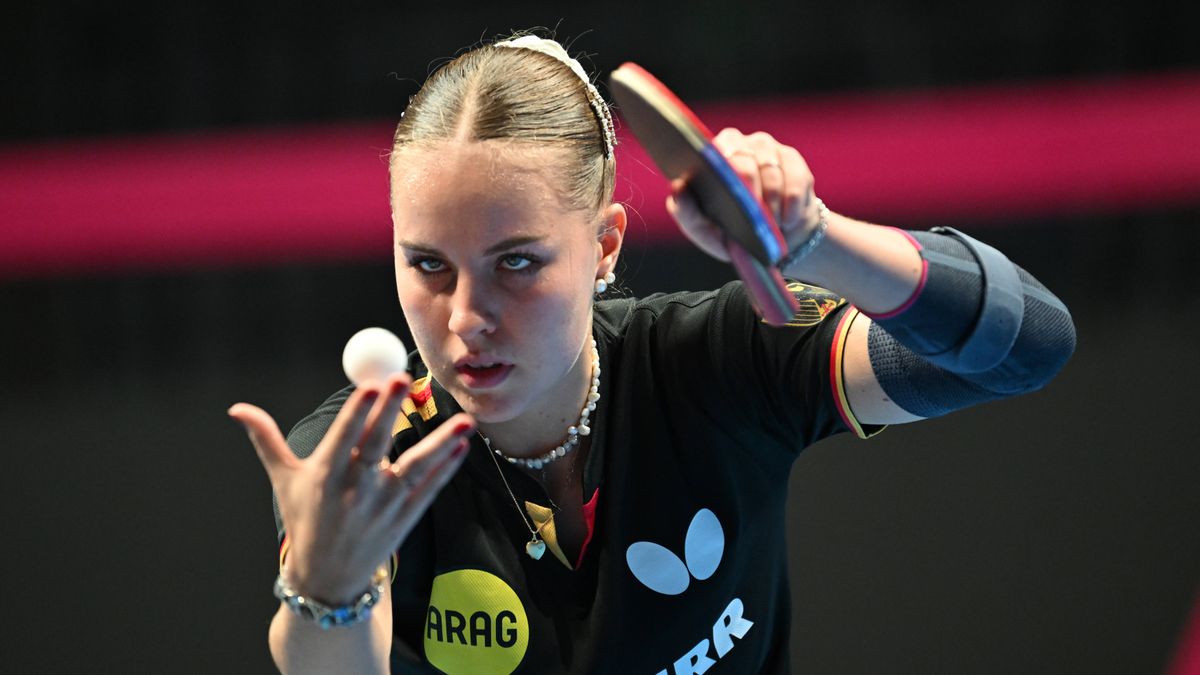
German table tennis sensation Annett Kaufmann, who rose to prominence as the face of German table tennis following the Paris 2024 Games, has courageously revealed the alarming extent of online hostility directed at her. The 19-year-old junior world champion and team European champion disclosed in a recent interview with the “Stuttgarter Zeitung” and “Stuttgarter Nachrichten” that she has received explicit death threats. Kaufmann detailed the horrifying nature of these threats, stating, “It was precisely described how I should be killed.” This stark revelation underscores a disturbing trend of aggression faced by public figures, particularly athletes, in the digital realm. Her decision to speak out casts a critical light on the dark side of social media engagement for even the most celebrated sports personalities.
In response to the specific death threats, Kaufmann took immediate action by blocking the senders and reporting the incidents to the respective internet platforms. She noted that “since then, that has not happened again” from those specific sources, highlighting the importance of reporting such severe misconduct. However, Kaufmann emphasized that the overall situation regarding online hate is worsening, stating, “It’s getting worse and worse.” She is not alone in experiencing this “psychological terror”; fellow German athletes like biathlete Franziska Preuß have also spoken about increased hate comments during the Winter Olympics, and national table tennis player Benedikt Duda previously disclosed abuse from online bettors. This pattern suggests a systemic issue rather than isolated incidents, affecting a wide spectrum of athletes across different sports.
A critical aspect highlighted by Kaufmann is the gendered dimension of online abuse. “Especially women receive unspeakable messages, which relate to their appearance,” she explained. Beyond general hate messages, Kaufmann herself receives “many extremely sexist comments.” This observation points to a deeply troubling phenomenon where female athletes are disproportionately targeted with objectifying and misogynistic remarks, often unrelated to their athletic performance. While acknowledging the support from a strong fan base who defend her in the comments, Kaufmann firmly stated, “Nevertheless, what one has to endure there is not insignificant.” The emotional toll of constant negativity and sexualized harassment poses a significant challenge to mental well-being for those in the public eye.
Annett Kaufmann’s decision to publicly address these grave issues was a deliberate one. She believes that silence is not an option when faced with such vitriol. “Hate remains hate. That must not simply be tolerated and accepted,” she asserted, articulating a clear stance against the normalization of online aggression. Her courageous act serves as a powerful call to action for platforms, authorities, and the public alike to combat hate speech more effectively. By sharing her personal experiences, Kaufmann not only seeks to protect herself but also to foster a safer online environment for all athletes and public figures, advocating for greater accountability and respect in digital interactions. Her voice adds significant weight to the growing demand for stricter measures against cyberbullying and threats.
