


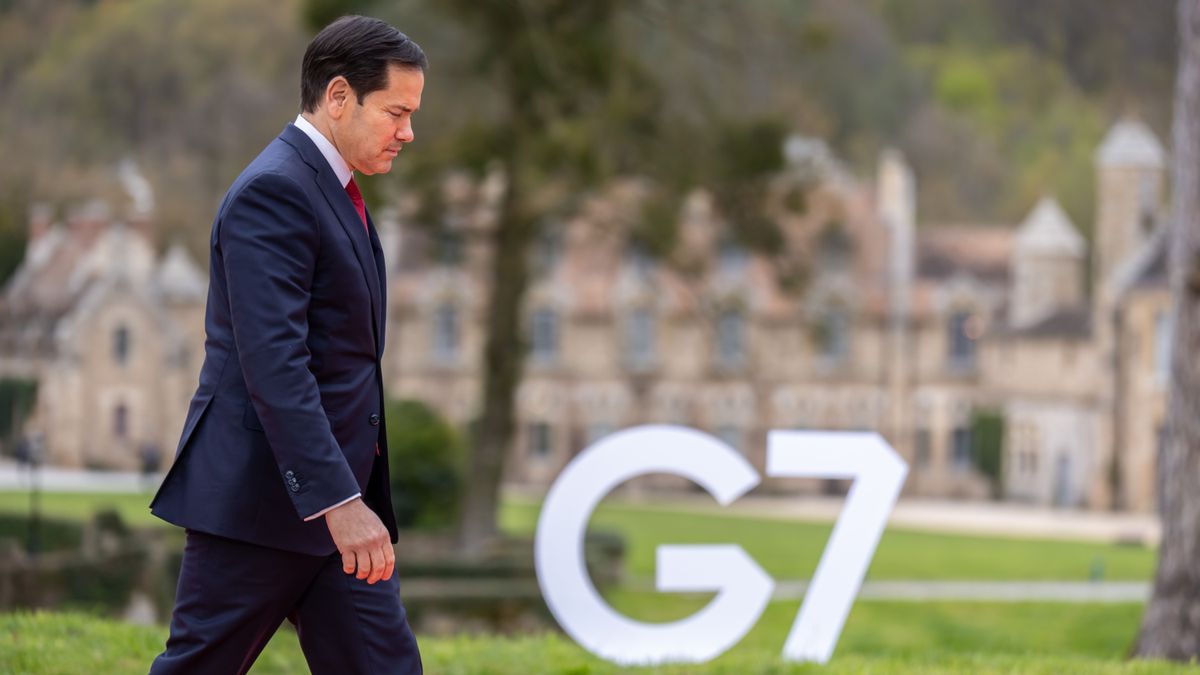
Reports from the recent G7 meeting highlighted US Senator Marco Rubio delivering “vague messages” concerning Iran. While the original article is no longer accessible, the characterization of his statements suggests a cautious or ambiguous stance on the escalating tensions around Iran’s nuclear program and regional activities. Rubio, a prominent voice in US foreign policy, likely addressed international concerns and potential diplomatic or punitive measures, but without providing clear, definitive policy outlines. This ambiguity could indicate strategic flexibility or internal policy nuances within the US approach to a highly volatile geopolitical situation.
Separately, Rubio is attributed with a striking prediction that “weeks, not months,” remain until a war ends. The crucial context of which specific conflict he referred to is missing, leading to significant speculation. This bold timeline could pertain to ongoing conflicts in Eastern Europe, the Middle East, or even suggest a swift resolution to a potential future confrontation involving Iran. Such a definitive timeframe signals a high level of confidence in an impending outcome, regardless of the specific war, and carries immediate implications for global stability. The attribution “US-Außenminister Rubio” in some reports underscores the perceived importance of his statements, despite his actual role as a Senator.
Rubio’s dual statements—ambiguous on Iran yet definitive on a war’s swift conclusion—present a complex diplomatic picture. His “vague messages” at the G7 concerning Iran might be a deliberate strategy to maintain strategic options or to avoid premature commitments in sensitive negotiations. This diplomatic ambiguity is a common tactic in dealing with complex, multi-faceted threats. Simultaneously, the “weeks, not months” prediction, if accurate, points to a significant impending global development. The lack of clarity around the specific conflict, however, challenges a full assessment of its credibility and implications, fueling widespread speculation among analysts.
The combined effect of these reports highlights a period of intense uncertainty in international relations. From the intricate diplomacy surrounding Iran’s nuclear ambitions to the potential for a rapid end to a major conflict, the global stage is marked by tension and swift developments. Marco Rubio’s pronouncements, irrespective of their precise framing or attributed role, contribute to a narrative of urgency and potential shifts in geopolitical dynamics. These fragmented insights suggest that critical decisions and outcomes are rapidly approaching, demanding close attention from policymakers and international observers as the world navigates a volatile and unpredictable future.
