


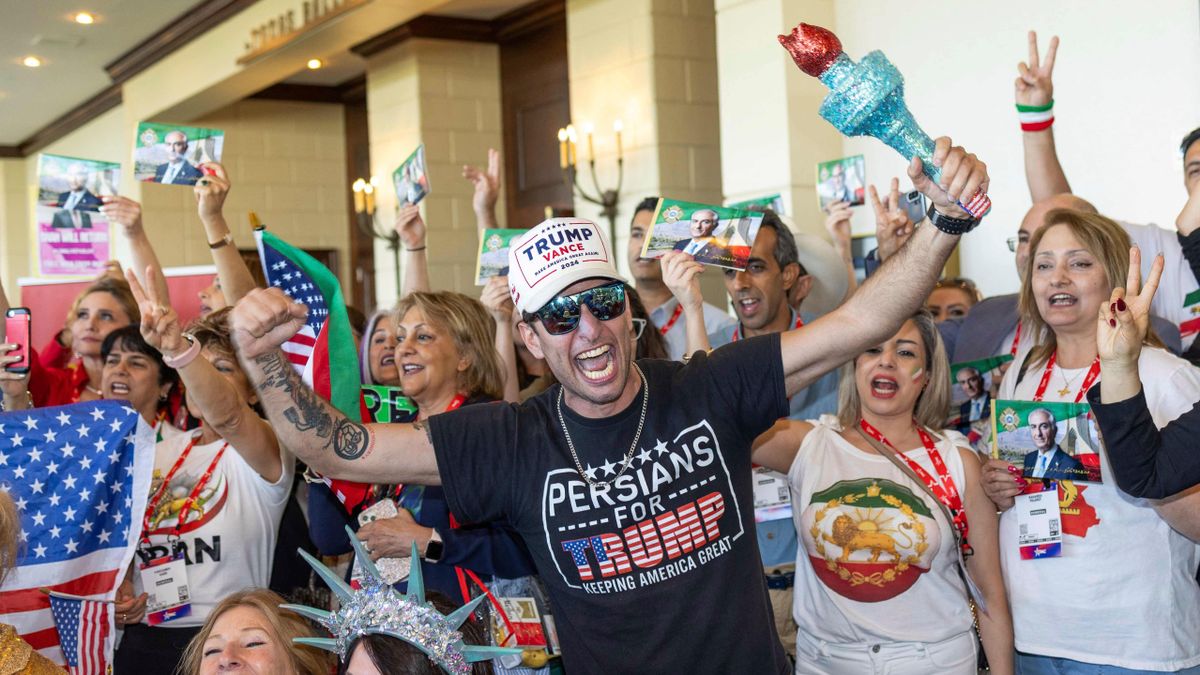
The Conservative Political Action Conference (CPAC) in Texas recently became a focal point for intense discussions surrounding Iran among Donald Trump’s supporters. Amidst the usual conservative rallying cries, a striking narrative emerged concerning the future of U.S.-Iran relations and the prospect of military intervention. This segment highlighted how many Trump loyalists are framing a potential conflict, often presenting it in a favorable light. The enthusiasm was palpable, especially from segments of the Iranian opposition present, who echoed sentiments like “Make Iran Great Again,” a clear nod to Trump’s slogan, reflecting their desire for regime change and perceived alignment with Trump’s hardline stance.
Within the fervent atmosphere of CPAC, a noticeable trend among Donald Trump’s base involved a rhetorical softening, or even outright justification, of potential military action against Iran. Discussions frequently downplayed the complexities and human costs of war, instead focusing on themes of American strength, confronting adversaries, and the alleged weakness of the current Iranian regime. This narrative often intertwined with broader conservative foreign policy principles, emphasizing decisive action over diplomatic engagement. Supporters argued that a strong stance, even one leading to conflict, was essential for national security and projecting American power globally, framing any intervention as liberation rather than escalation, aligning with the “America First” agenda.
A significant and vocal presence at CPAC was the Iranian opposition, whose members expressed overwhelming support and gratitude towards Donald Trump. Their jubilation was evident as they openly thanked him for his firm policies against the Islamic Republic. For many in the opposition, Trump’s administration represented a beacon of hope for fundamental change in Iran, a sentiment encapsulated by their enthusiastic chant, “Make Iran Great Again.” They view Trump’s aggressive rhetoric and sanctions as crucial leverage that could ultimately lead to the downfall of the current regime. Their participation at CPAC underscored a strategic alignment, where the opposition leverages the platform to amplify their calls for international support against the Iranian government, seeing Trump as a key ally.
The convergence of these narratives at CPAC — from Trump supporters advocating a tough line on Iran to the Iranian opposition celebrating his stance — paints a complex picture of current geopolitical discussions. The conference served as a powerful platform for these perspectives to gain traction and be amplified, particularly within conservative media circles. It highlighted a distinct ideological approach to foreign policy, one that prioritizes assertive action and challenges traditional diplomatic frameworks. The debates and expressions of support at CPAC offer crucial insights into how a significant segment of the American political landscape views the future of U.S.-Iran relations, suggesting a continued push for a confrontational approach that resonates deeply with both the Trump base and elements of the Iranian opposition.
