


Sandro Castro, grandson of the late Cuban revolutionary leader Fidel Castro, has garnered significant attention and controversy by embracing an unexpected role: that of a social media influencer. His public persona, often showcased through lavish videos and online content, stands in stark contrast to the austere image traditionally associated with the Castro dynasty and Cuba’s socialist ideals. This pivot into the digital spotlight has sparked a global debate, highlighting the evolving dynamics within Cuba’s most prominent family and the country’s relationship with modern media and Western consumerism. His activities are closely watched, both by supporters and critics, as he navigates a path largely unprecedented for a member of his lineage.
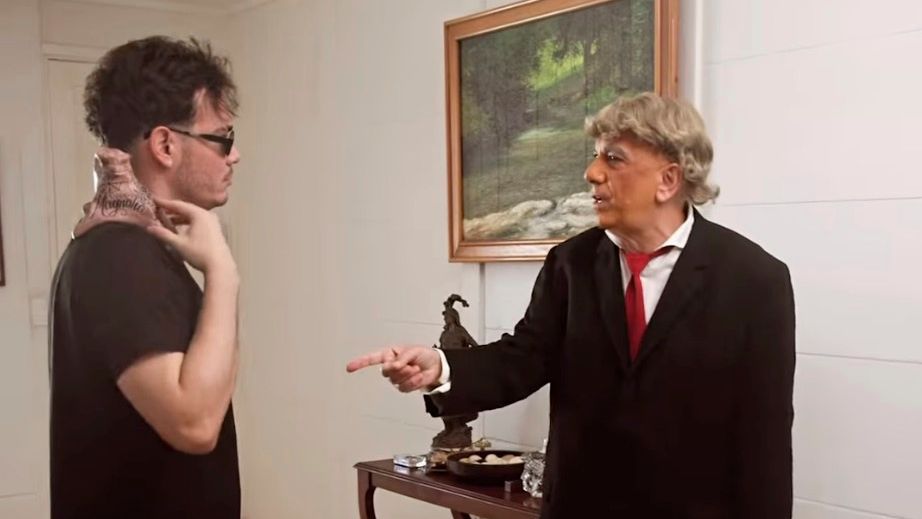
One particular instance that amplified Sandro Castro’s influencer status was a widely circulated video featuring him alongside a Donald Trump lookalike. In this provocative clip, Castro is seen making a direct and seemingly nonchalant request: ‘Ich will einen Cuba Libre’ (I want a Cuba Libre). This phrase carries a double meaning, referring not only to the popular rum cocktail but also echoing the historic cry for a ‘Free Cuba.’ The visual of Castro, a scion of the revolution, interacting with a figure resembling a former US President often critical of Cuba, while uttering such a loaded phrase, ignited discussions about irony, political messaging, and the commercialization of national symbols. The video quickly became a talking point across various social platforms and news outlets.
The reaction to Sandro Castro’s influencer endeavors has been deeply polarized. Within Cuba, where many citizens grapple with economic hardships and limited freedoms, his displays of luxury and engagement with Western pop culture have been met with a mix of fascination, resentment, and criticism. The perception that a member of the ruling family enjoys privileges inaccessible to the average Cuban fuels public discontent. Meanwhile, among the Cuban diaspora and international observers, Castro’s online activities are often viewed through a critical lens, seen by some as a tone-deaf disregard for the struggles of the Cuban people, and by others as a surprising, albeit controversial, sign of generational shift and a potential crack in the regime’s carefully constructed image. His content frequently draws comparisons between his lifestyle and the daily realities faced by most Cubans.
Sandro Castro’s emergence as an influencer underscores a unique intersection of celebrity, politics, and social media in a nation largely isolated from Western trends. His public moves continue to generate headlines and fuel ongoing conversations about the future trajectory of Cuba and the enduring legacy of the Castro family. Whether his foray into influencing is a deliberate political statement, a personal pursuit of fame, or merely a reflection of a younger generation’s aspirations, it undoubtedly serves as a compelling case study of how digital platforms can reshape public perception and challenge traditional narratives, even within the most entrenched political landscapes. His journey remains a captivating, albeit contentious, saga in the contemporary Cuban narrative.
