


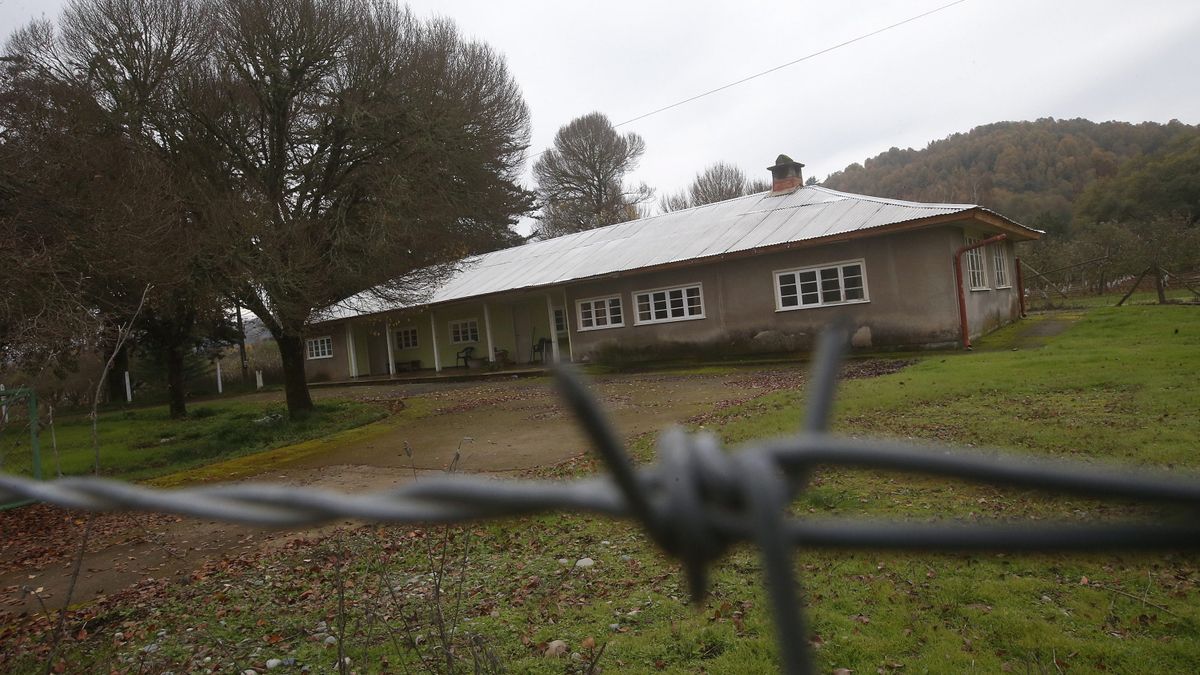
Chile’s newly installed ultra-right government, led by President José Antonio Kast, has announced a significant reversal concerning the former German settlement known as Colonia Dignidad. Housing Minister Iván Poduje confirmed on Sunday to “La Tercera” that a previous decision to expropriate the controversial site would be revoked. Poduje explicitly stated that this project “has nothing to do with our program” and cited the country’s challenging budgetary situation as the primary reason for the withdrawal. He firmly dismissed any “ideological background” influencing this particular decision, aiming to frame it purely as a pragmatic move driven by fiscal responsibility rather than political alignment with the historical context of the settlement. This abrupt change of course signals a distinct shift in governmental priorities and an immediate departure from the policies of the preceding administration regarding historical memory and justice initiatives.
The decision to halt the expropriation stands in direct contrast to the plans of Chile’s former left-leaning government. Under the leadership of President Gabriel Boric, the previous administration had, just last year, ordered the expropriation of the Colonia Dignidad grounds. The explicit intention behind this move was to transform the site into a dedicated memorial for the victims of the brutal military dictatorship that gripped Chile from 1973 to 1990. This initiative was part of a broader effort to confront the nation’s dark past and provide a space for remembrance, healing, and education about the atrocities committed during that period. The Boric government’s plan underscored a commitment to historical accountability and recognition for those who suffered under state repression, aiming to prevent such human rights violations from being forgotten.
Colonia Dignidad, founded in 1961 by the German ex-Nazi lay preacher Paul Schäfer, operated as a notorious, cult-like settlement. During the era of Augusto Pinochet’s military dictatorship, which lasted from 1973 to 1990, the isolated commune became a clandestine center for severe human rights abuses. Numerous individuals were subjected to horrific acts, including rape, torture, and murder, often in complicity with Pinochet’s secret police. Schäfer himself was a tyrannical figure, responsible for the systemic sexual abuse of children within the settlement. His reign of terror eventually ended with his arrest in Argentina in 2005, where he was subsequently found guilty of child sexual abuse. Schäfer died in prison in 2010, leaving behind a legacy of immense suffering and a profound scar on Chilean history.
Since 1988, the settlement has been renamed Villa Baviera, attempting to shed its infamous past. Today, the area has pivoted towards tourism, offering a stark contrast to its dark origins. Visitors can find a hotel, various recreational activities, and even annual Oktoberfest celebrations, attracting a different kind of attention to the site. This commercialization of the former Colonia Dignidad has long been a source of controversy, with victims’ groups and human rights advocates often expressing discomfort and outrage at the apparent trivialization of a place synonymous with extreme suffering. The ultra-right government’s decision not to expropriate ensures that Villa Baviera will continue its current trajectory, postponing indefinitely the creation of a state-sanctioned memorial and leaving unresolved the future of a site deeply entwined with Chile’s traumatic past.
