


The dazzling performance of Warwara Worontschichina has captivated audiences at the Paralympics 2026, as she clinched a coveted gold medal for Russia. Competing in a fiercely contested para-alpine skiing event, Worontschichina showcased extraordinary skill, precision, and unwavering determination. Her flawless descent down the challenging slopes saw her outpace formidable international rivals, securing a monumental victory that stands as a testament to her years of rigorous training and profound commitment to her sport. This triumph not only elevates her status as a world-class athlete but also marks a significant milestone in the ongoing Games, drawing immediate attention to the remarkable feats of human endurance and spirit.
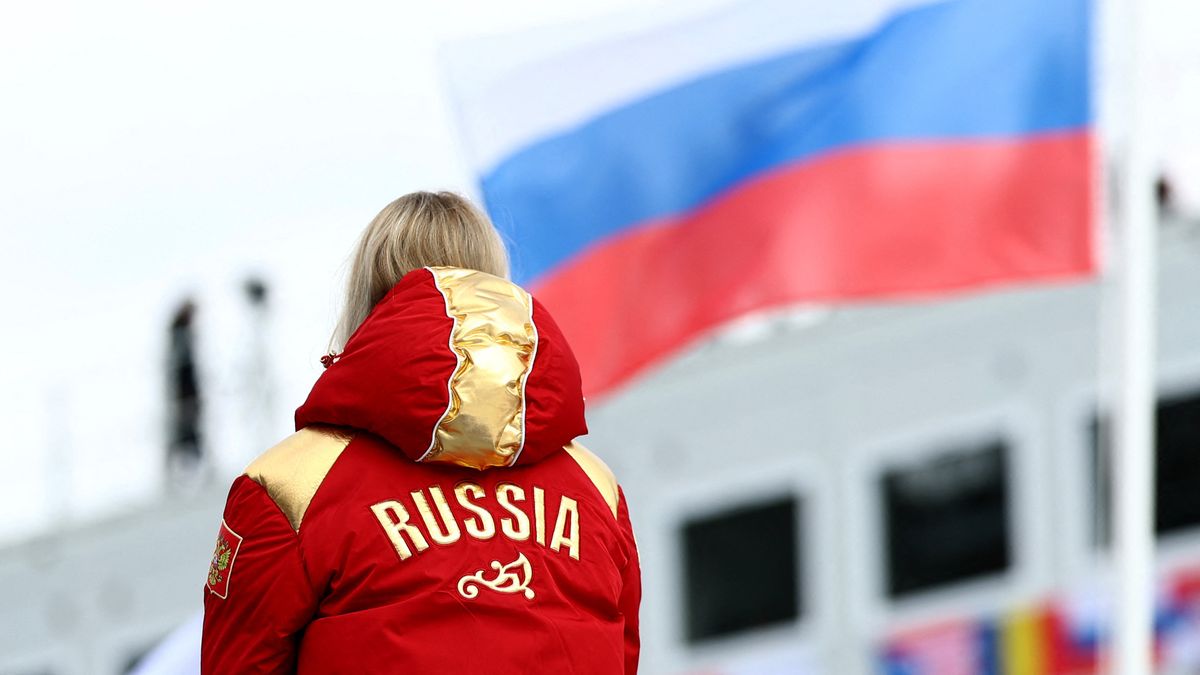
However, this celebratory moment unfolded against a backdrop of palpable tension surrounding Russia’s participation in the international sporting arena. The geopolitical climate has cast a long shadow over major events, leading to complex discussions regarding athlete neutrality, national representation, and the overall atmosphere of competitive sportsmanship. While Worontschichina’s focus remained solely on her athletic performance, the prevailing mood among attendees, media, and even some fellow competitors reflected an underlying unease. This tension, though not directly impacting the race itself, added a unique and somber layer to what would ordinarily be an unadulterated celebration of sporting achievement, underscoring the delicate balance between sport and global affairs.
Warwara Worontschichina’s gold medal is more than just a victory; it is a powerful symbol of resilience in challenging times. For Worontschichina herself, it represents the culmination of immense personal sacrifice, overcoming physical hurdles and external pressures to stand atop the podium. For Russia, her win provides a moment of national pride, albeit one carefully observed by the international community. It highlights the continued dedication of its athletes to compete at the highest level, regardless of the political currents. Her achievement serves as an inspiration, demonstrating that the pursuit of excellence and the spirit of competition can persist even when the world around is fraught with complexities.
Ultimately, the Paralympics 2026, despite any surrounding anxieties, continues to champion the indomitable human spirit and the power of sport to transcend barriers. Worontschichina’s gold medal performance, set against a tense global stage, serves as a poignant reminder of this core message. It underscores the importance of focusing on the athletes’ incredible abilities and their dedication, rather than allowing external conflicts to overshadow their achievements. The Games remain a crucial platform for showcasing diversity, inclusion, and the extraordinary capabilities of individuals, proving that courage and determination can illuminate even the most shadowed environments, fostering moments of shared humanity.
