


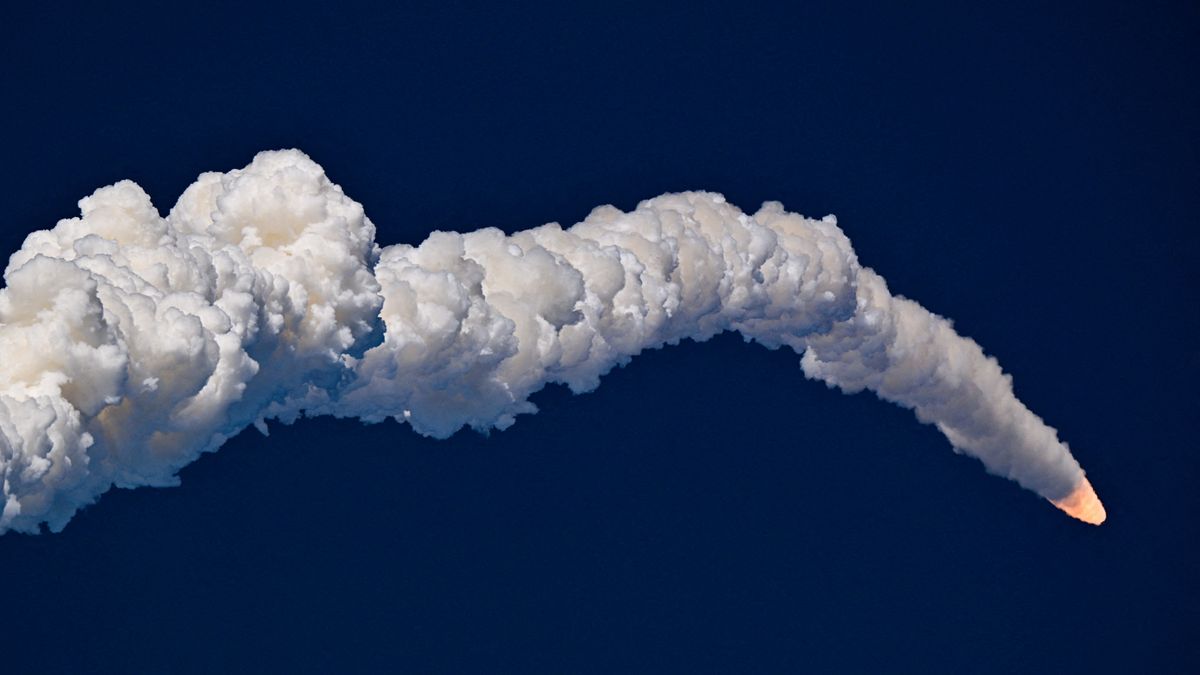
The long-anticipated Artemis 2 Moon Mission has commenced with a spectacular launch, marking a historic moment in space exploration. Carrying a crew of three men and one woman, the Orion capsule successfully achieved Earth orbit, signifying the first crewed flight of the Artemis program. This initial phase validates the mission’s crucial hardware and the readiness of the international crew for the profound journey ahead. The smooth ascent into orbit sets the stage for an unprecedented voyage, pushing the boundaries of human endurance and technological prowess, a testament to years of meticulous planning and collaborative efforts to make deep space travel a reality once again.
Currently circling our home planet, the Artemis 2 crew is diligently preparing for the mission’s next audacious phase: a flyby of the Moon. This lunar circumvention is a critical test of the Orion spacecraft’s systems in deep space and a vital precursor to future lunar landings. Dubbed “the longest journey of humankind,” Artemis 2 aims to send astronauts further than ever before, surpassing previous records. The mission involves a free-return trajectory around the Moon, utilizing lunar gravity to propel the capsule back towards Earth. Data from this extensive deep space transit will be invaluable for designing safer, more sustainable missions to the Moon and eventually Mars.
Adding a touch of relatability to this highly technical endeavor, the Artemis 2 mission includes a unique passenger: a zero-gravity indicator mascot. This tradition, dating back to early spaceflights, provides a visual cue for microgravity and adds a human element to space exploration. While the mascot’s specific details are often a surprise, its presence highlights comfort and camaraderie in an advanced technological setting. The crew will meticulously monitor spacecraft performance and conduct various system checks during their orbital phases, ensuring all parameters are optimal before committing to the demanding lunar trajectory insertion maneuver.
The successful launch of Artemis 2 signifies a major stride in NASA’s broader Artemis program, which aims to establish a long-term human presence on and around the Moon. This mission serves as the crucial crewed test flight before Artemis 3 attempts to land humans on the lunar south pole. By validating the Orion capsule’s capabilities with a human crew and evaluating human performance in deep space, Artemis 2 lays essential groundwork for a sustainable future in lunar exploration. The insights gained will be instrumental for future lunar settlements and daring crewed missions to Mars, inspiring a new generation to pursue cosmic discovery.
