


The global geopolitical landscape has once again triggered a ripple effect on everyday life, particularly impacting energy markets. Following reported attacks on Iran by the USA and Israel in late February, fuel prices worldwide have seen a sharp increase. This escalation has prompted various nations to consider strategies for managing potential supply bottlenecks. The Slovak government, facing an unavoidable crisis exacerbated by the ongoing conflict, has moved swiftly to implement significant measures aimed at stabilizing its domestic fuel supply amidst a worsening raw material crisis. The situation demands immediate and decisive action to mitigate the economic strain on its citizens and maintain essential services.
In response to the escalating crisis, Slovak Prime Minister Robert Fico announced after a cabinet meeting the immediate implementation of fuel sales restrictions. These measures, initially set for 30 days but extendable if necessary, are designed to curb panic buying and prevent fuel tourism. Under the new regulations, vehicles are limited to purchasing diesel and petrol up to a maximum value of 400 euros. Furthermore, the transport of more than ten liters of fuel in jerry cans or other external containers is strictly prohibited, even within the set monetary limit. The government views these restrictions as a crucial alternative to imposing drastic price increases on consumers.
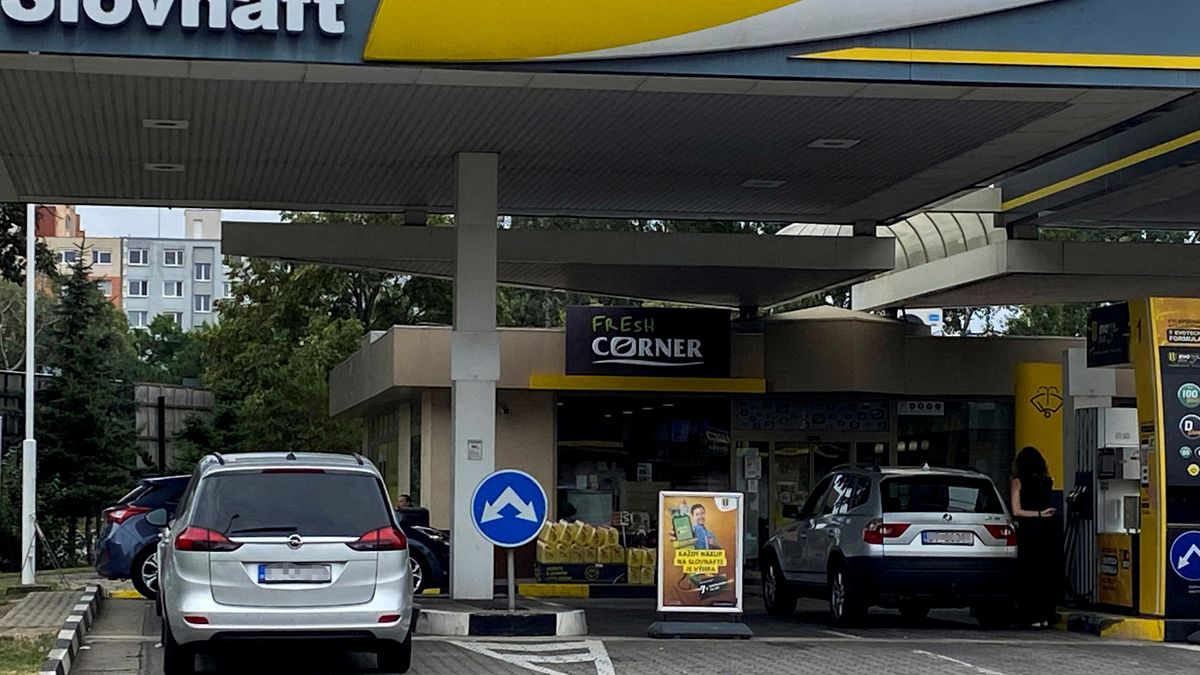
A significant driver behind these new restrictions was the widespread phenomenon of “tank tourism,” particularly from neighboring Poland and Austria. After the outbreak of the Iran war, the government in Bratislava had voluntarily agreed on a price cap with the Slovnaft refinery, leading to comparatively lower fuel prices in Slovakia than in surrounding countries. This discrepancy made Slovak petrol stations an attractive destination for foreign drivers, resulting in temporary fuel shortages in border regions. To counteract this, vehicles with foreign license plates will now be charged a higher price, calculated as an average of the prevailing fuel prices in Austria, the Czech Republic, and Poland, leveling the playing field and discouraging cross-border fuel trips.
These immediate responses build upon an existing energy vulnerability. Just a month prior, Slovakia had declared an “oil emergency” due to the cessation of oil flows through the Druzhba pipeline from Russia via Ukraine since late January. This pipeline is a critical artery, on which both Slovakia and Hungary are largely dependent for their oil supply. Bratislava and Budapest have accused Ukraine of intentionally hindering these oil deliveries and have criticized Kyiv for allegedly refusing an independent verification of the pipeline’s condition, which Ukraine claims was damaged by Russian drone attacks. This underlying supply issue, coupled with the new geopolitical conflict, underscores the complex challenges facing Slovakia’s energy security.
